Category: 42 Word Retrospectives

Adam Adamant Lives!

Adam Adamant Lives!, Season 1

(BBC, 1966)

Adam Adamant Lives

Victorian gentleman adventurer Adam Adamant (Gerald Harper) is revived in 1966 and paired with happy-go-lucky groupie Georgina Jones (Juliet Harmer). With invariable plot elements and little character development, the programme followed Get Smart in relying heavily on the charisma of its leads.


The Complete Peanuts: 1976 to 1976

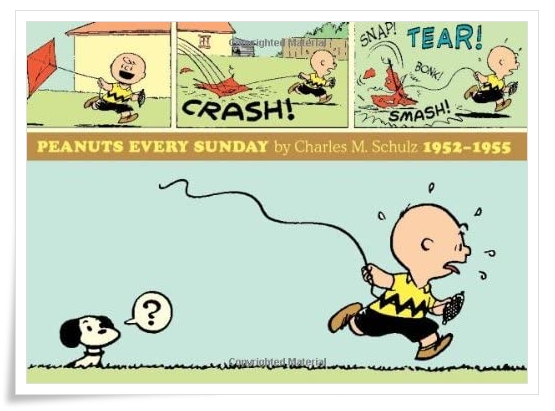
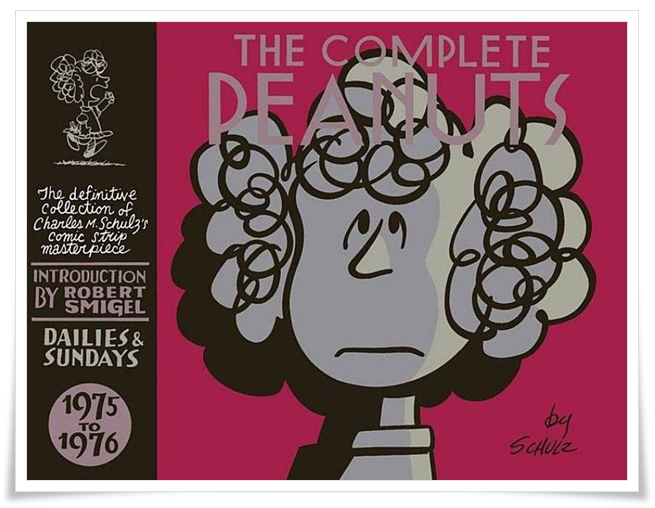
The Complete Peanuts: 1975 to 1976

by Charles M. Schulz (Fantagraphics, 2010)

Schulz_Complete Peanuts 1975-1976

An ever-so-slightly flat couple of years. Schulz remains head-and-shoulders above the competition but takes a few missteps in his search for new storylines and characters. Though not entirely efficacious, the attempted reinvigoration demonstrates an intent to pursue rather than rest upon laurels.


Escape to Witch Mountain

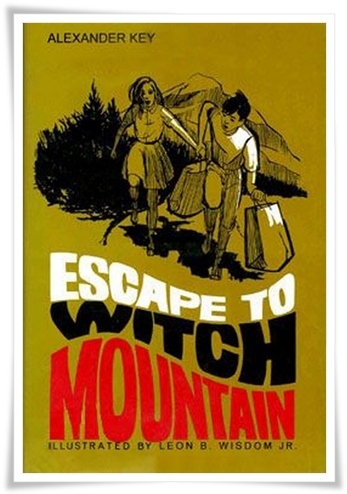
Escape to Witch Mountain

by Alexander Key (Westminister Press, 1968); audiobook read by Marc Thompson (Playaway, 2010)

Key_Escape to Witch Mountain

A straightforward, somewhat odd, ultimately pointless yet still rather engaging middle-grade quest adventure in which two children with supernatural abilities go on the run. In the audiobook Marc Thompson’s character voices sound inexplicably as if they have been inspired by Fraggle Rock.


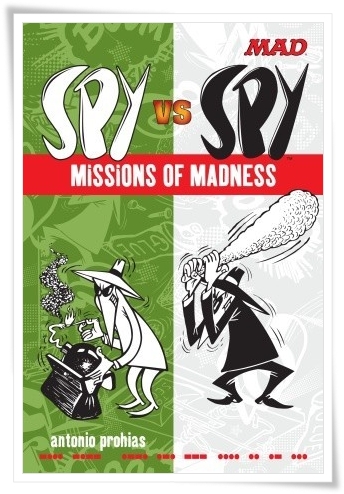
Spy vs Spy: Missions of Madness

Spy vs Spy: Missions of Madness

by Antonio Prohías (Watson-Guptill, 2009) [Reprinting “Fourth Mad Declassified Papers on Spy Versus Spy”, 1974]

Prohias_Missions of Madness

The formatting of this Spy vs Spy collection unfortunately does the comic few favours, enlarging each panel but spreading the stories out across many small (125x190mm) pages. Preserving the original layout at an enlarged Franco-Belgian size (210x300mm) would have made more sense.


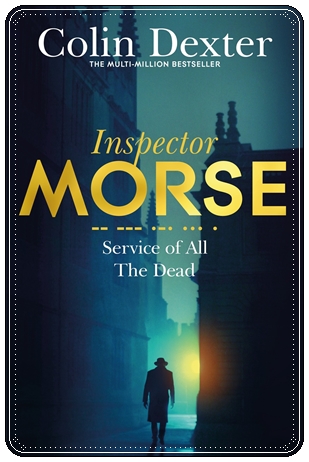
Service of All the Dead

Service of All the Dead

by Colin Dexter (Macmillan, 1979); audiobook read by Samuel West (Macmillan, 2017)

Dexter_Service of All the Dead

Dexter begins with a lengthy series of inciting incidents to which readers are privy but Morse isn’t. Morse then solves the mystery by mooning about irritably, his moribund thoughts kept equally inscrutable. Sans John Thaw’s embodiment, the whole effect is rather dismal.


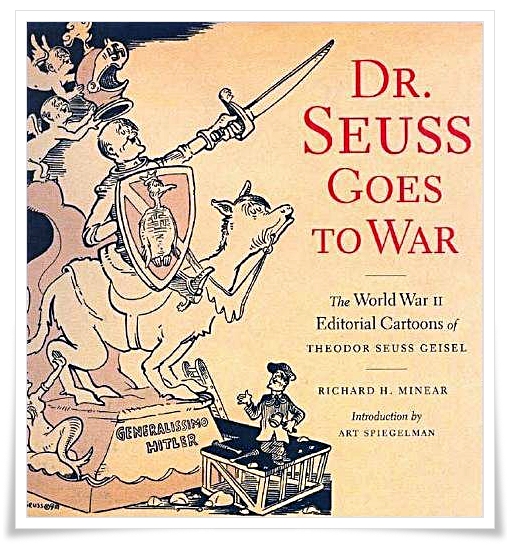
Dr. Seuss Goes to War

Dr. Seuss Goes to War: The World War II Editorial Cartoons of Theodor Seuss Geisel

by Richard H. Minear (The New Press, 1999)

Minear_Dr Seuss Goes to War

Minear provides detailed historical context through which to appreciate (or occasionally question) Theodor Geisel’s distinctive, beguilingly Seuss-esque wartime cartoons. Each drawing is presented on its own page but regrettably this is not a complete record. Many more are referenced but not included.


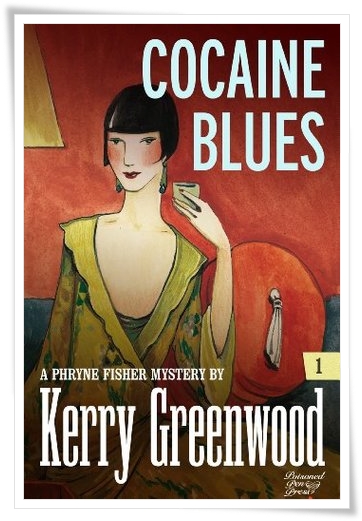
Cocaine Blues

Cocaine Blues

by Kerry Greenwood (McPhee Gribble, 1989); audiobook read by Stephanie Daniel (Bolinda, 2010)

Greenwood_Cocaine Blues

Greenwood evinces as no-nonsense an approach to plotting as does the irrepressible Phryne Fisher to solving mysteries and bucking societal norms. The result is a fast-moving romp through 1920s Melbourne, more worldly than Wodehouse but with a similarly delightful turn of phrase.


Derelict Space Sheep