Category: 42 Word Retrospectives

The Seven Crystal Balls

The Seven Crystal Balls

by Hergé (Casterman, 1948); trans. Leslie Lonsdale-Cooper & Michael Turner (Methuen, 1962)
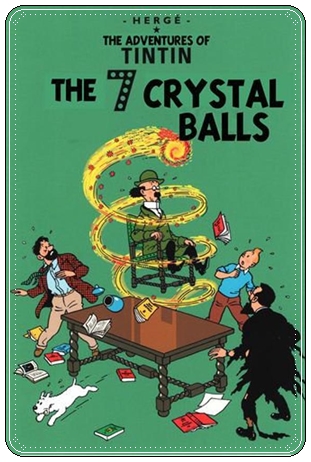
Herge_Seven Crystal Balls

Working during the German occupation of Belgium, Hergé steered clear of political commentary and showcased instead his developing mastery of action adventure, leavened here with an abundance of slapstick (and not a little Fortean mysticism). Part one of a classic two-story arc.
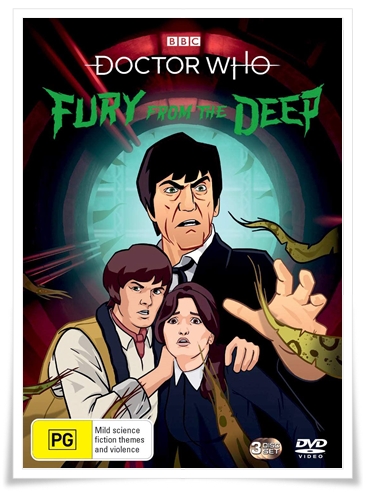


Doctor Who: Fury From the Deep

Doctor Who: Fury From the Deep

by Victor Pemberton; dir. Hugh David (BBC, 1968/2020)

Fury From the Deep

This lost story always had good wraps—a tightly written, claustrophobic six-parter bolstered by Dudley Simpson’s tense score (and a resolution that validates the screaming companion!). Its rebirth in animated form makes for a welcome addition, albeit that Troughton remains quintessentially inimitable.


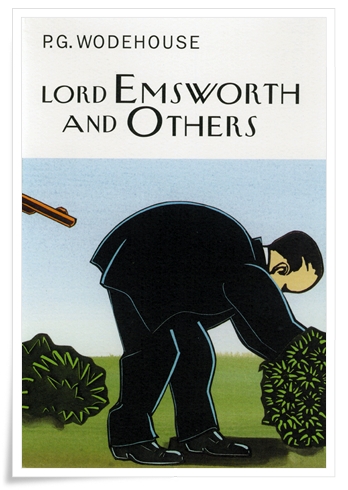
Lord Emsworth and Others

Lord Emsworth and Others

by P. G. Wodehouse (Herbert Jenkins, 1937)

Wodehouse_Lord Emsworth and Others

Nine short stories evincing Wodehouse’s usual joie de vivre and knack for comedic happenstance, yet, save for ‘The Crime Wave at Blandings’, lacking closure, giving instead the impression of half-conceptualised novels (or subplots thereof) cut down in the mid stages of drafting.


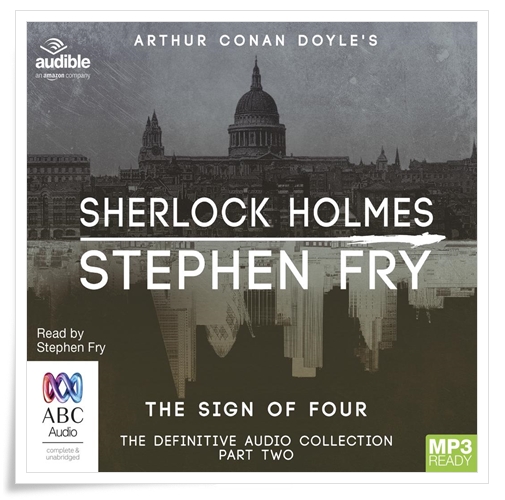
The Sign of the Four

The Sign of the Four

by Arthur Conan Doyle (Lippincott’s Monthly Magazine, 1890); audiobook read by Stephen Fry (ABC Audio, 2017)

Conan Doyle_Sign of Four

A bravura second outing for Holmes and Watson, once again deflated by a lengthy coda in which neither man features. An important novel for having affirmed the strength of these two characters, and for indicating that Conan Doyle should prefer short stories.


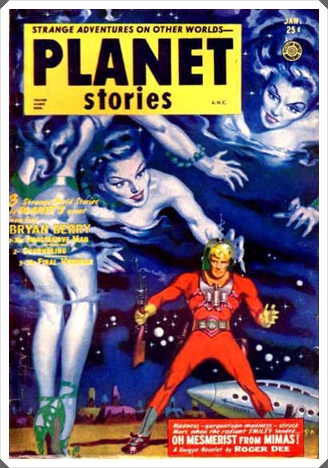
Design for Great-Day

Design for Great-Day

by Eric Frank Russell (Planet Stories, January 1953); subsequently republished as ‘The Ultimate Invader’ [Novella]

Russell_Design for Great-Day

In several of his stories Russell took delight in sending up blinkered authority. In this novella he endowed his protagonist not only with the usual insouciance but also the ethical clout of a highly advanced multi-species commune. At first rib-tickling, then earnest.


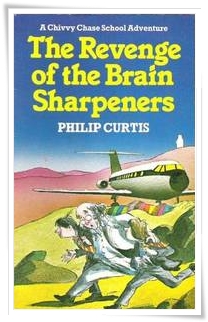
The Revenge of the Brain Sharpeners

The Revenge of the Brain Sharpeners

by Philip Curtis; ill. Tony Ross (Anderson, 1982)

Curtis_Revenge Brain Sharpeners

This direct sequel lacks the one-against-many tension of the original. The cast is the same but the protagonist viewpoint is diluted and the Brain Sharpeners have become ineffectual background threats, not menacing subverters lurking in the fog. Fun enough but relatively disappointing.


Doctor Who: Terminus

Doctor Who: Terminus

by Stephen Gallagher, writing as John Lydecker (Target, 1983); audiobook read by Steven Pacey (BBC, 2019)

Lydecker, John_Terminus

Gallagher’s second Doctor Who script gave rise to a gloomy, layered production rich in scenario and comparatively nuanced in its characterisations. The subsequent novelisation, far from the undemanding walk-through that young readers had come to expect from Target Books, proves equally accomplished.


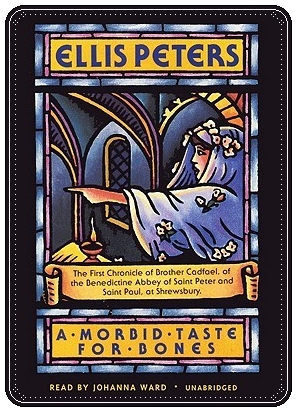
A Morbid Taste for Bones

A Morbid Taste for Bones

by Ellis Peters (Macmillan, 1977); audiobook read by Johanna Ward (Blackstone, 1996)

Peters_Morbid Taste for Bones

More notable for its elegant prose and depiction of the Welsh people (High Middle Ages) than its rather slight mystery. Brother Cadfael is immensely likeable but doesn’t so much investigate matters as discern the ineffable truth and nudge events along. Audiobook recommended.


Derelict Space Sheep