Category: 42 Word Retrospectives

Guards! Guards!

Guards! Guards!

by Terry Pratchett; read by Nigel Planer (Isis, 1995)

[first published by Gollancz, 1989]

Pratchett_Guards Guards

Some of the dialogue feels slightly laboured when read aloud (a small misgiving), but in the grand scale of all things magical and satirical this is the perfect introduction to Pratchett’s Discworld series. Planer handles with aplomb both narrative comedy and characterisation.


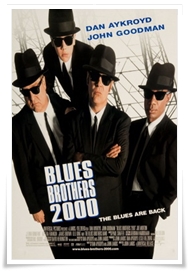
The Blues Brothers

The Blues Brothers

dir. John Landis (1980)

Landis_Blues Brothers

Instantly recognisable and eminently quotable; musically unimpeachable and with widespread cult appeal; spectacularly over-the-top yet brilliantly underplayed: band-on-the-run redemption comedy (and Chicago time capsule) The Blues Brothers must go down as one of the greatest movies — certainly the greatest musical — ever made.


The Official C.I.A. Manual of Trickery and Deception

The Official C.I.A. Manual of Trickery and Deception

by John Mulholland (Unpublished, 1953)

ed. H. Keith Melton and Robert Wallace (Hardie Grant, 2010)

Mulholland_CIA Manual

Although the editors try to spruik the significance of two instructional manuals commissioned from magician John Mulholland by the CIA during the Cold War, closer inspection reveals the most interesting facet of these works to be that they were written at all.


Shock Treatment

Shock Treatment

dir. Jim Sharman (1981)

Sharman_Shock Treatment

Despite some quality songs and strong vocal performances, the artificiality of the society being satirised makes this Rocky Horror Picture Show sequel hard to engage with. The quirky cult appeal is there but — lacking the stage-driven evolution of its predecessor — feels undeveloped.


Ten Apples Up On Top

Ten Apples Up On Top

by Theo LeSieg [aka Dr Seuss], illustrated by Roy McKie (Collins, 1961)

LeSieg_Ten Apples Up On Top

A lion, tiger and dog give each other a lesson in counting (and outrageous one-upmanship) when they compete to see who can balance the most apples on their heads. This rambunctious story has stayed with beginner readers well into their adult years.


Chocky (1984)

Chocky

by John Wyndham, adapted by Anthony Read (Thames Television, 1984)

Wyndham_Read_Chocky

A patchy adaptation, quintessentially early 1980s, featuring well-pitched performances by James Hazeldine and child actor Andrew Ellams but terribly written female parts. The intrigue of a young boy’s mind-to-mind alien encounter is built and sustained across six episodes without ever really peaking.


The Surgeon of Crowthorne

The Surgeon of Crowthorne: A Tale of Murder, Madness and the Love of Words

by Simon Winchester (Viking, 1998)

Winchester_Surgeon of Crowthorne

By focussing on the extensive amateur contributions of Doctor Minor (a bibliophile and former surgeon serving life imprisonment in the Broadmoor lunatic asylum), Simon Winchester captures something of the immense logistical difficulties faced in putting together the first ever true English dictionary.


Who Wrote Shakespeare?

Who Wrote Shakespeare?

by John Michell (Thames & Hudson, 1996)

Michell_Who Wrote Shakespeare

Notwithstanding Wikipedia’s cursory dismissal of the authorship problem, Michell in this overview makes a compelling case for at least questioning the conventional attribution of Shakespeare’s works to the actor from Stratford-upon-Avon, presenting evidence for and against him and the other major candidates.


Derelict Space Sheep